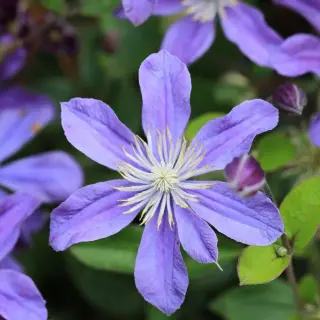
Arabella
Clematis (Clematis)
15,00 €
Available

35 varieties
Clematis (Clematis)
15,00 €
Available
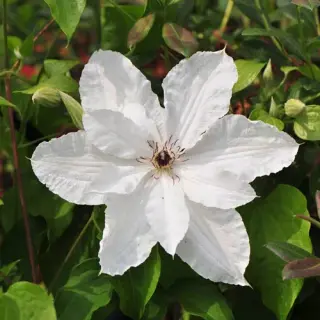
Clematis (Clematis)
15,00 €
Available
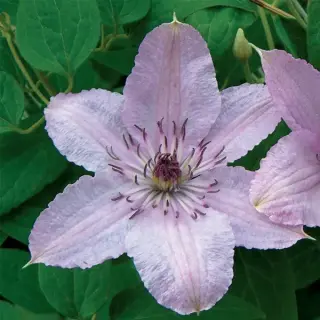
Clematis (Clematis)
8,00 €
Available
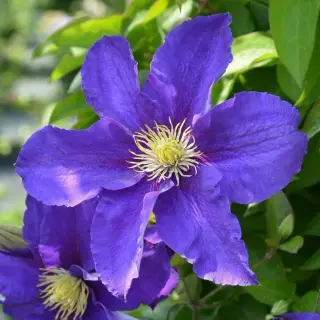
Clematis (Clematis)
8,00 €
Available
Clematis (Clematis)
10,00 € – 18,00 €
Sold out
Clematis (Clematis)
10,00 €
Sold out
Clematis (Clematis)
10,00 €
Sold out
Clematis (Clematis)
8,00 €
Sold out
Clematis (Clematis)
10,00 €
Sold out
Clematis (Clematis)
10,00 € – 12,00 €
Sold out
Clematis (Clematis)
10,00 €
Sold out
Clematis (Clematis)
10,00 €
Sold out
Clematis (Clematis)
10,00 € – 15,00 €
Sold out
Clematis (Clematis)
15,00 €
Sold out
Clematis (Clematis)
8,00 €
Sold out
Clematis (Clematis)
10,00 €
Sold out
Clematis (Clematis)
10,00 €
Sold out
Clematis (Clematis)
15,00 €
Sold out
Clematis (Clematis)
10,00 €
Sold out
Clematis (Clematis)
10,00 €
Sold out
Clematis (Clematis)
10,00 €
Sold out
Clematis (Clematis)
10,00 € – 15,00 €
Sold out
Clematis (Clematis)
10,00 €
Sold out
Clematis (Clematis)
10,00 €
Sold out
Clematis are light-demanding plants and should be planted in a sunny, well sheltered spot protected from wind. The plant does not like water dripping onto it from building roofs, nor places where water tends to stand in spring. Supports should be provided to help the vine hold its long, twining growth. Metal structures are recommended for the main framework, while the inner part of the trellis is best made from nylon or other durable cords. The cords should be stretched tightly so that the plants can more easily cling to them with their leaf stalks.
Planting
Clematis need a medium-heavy sandy loam or loamy sand soil enriched with organic matter (compost, well-rotted manure). The soil should be airy and рыхлый, with a preferred pH of 6-7. When planting, it is important to place the plant deep enough in the soil without being afraid that the first buds will be covered with soil. The plant must not be “drowned” either, as it will suffocate. It can be planted so that the plant is left as if in a small hollow. Gradually this hollow is filled in, covering the buds with soil. New roots will form from the bud points. If the purchased plant has a long shoot, it is advisable to shorten it by one third so that the plant produces new side shoots. When planting, it is recommended to surround the root collar with clean sand, or add about a handful of a mixture of clean sand and ash (preferably hardwood ash) in a 1:1 ratio, thus promoting air access to the dormant buds and protecting the vine, which is not yet established in the first weeks, from fungal diseases that often develop in humus-rich soil.
Care
In both spring and summer, shallow loosening of the soil to a depth of 2-4 cm is recommended. Mulching the soil is also advisable. Enriched peat, decomposed manure and compost are suitable for this purpose. Clematis are moisture-loving, but overwatering can be just as harmful as drying out. Plants are top-dressed from spring until mid-August, then this is stopped to allow the shoots to ripen. Potassium promotes ripening, so at the end of August it is advisable to apply a potassium-containing fertiliser, which will help clematis prepare better for winter.
In winter, clematis can be covered with spruce branches around the root base. For varieties where the stems must be preserved, bend the stems down and cover them.
Clematis pruning groups
Group I - clematis in which flowers mainly develop on the previous year’s shoots; this year’s shoots do not form flowers. In this group, the generative part of the shoot (the part that flowered this summer) is pruned in autumn. In spring, shoots and flower buds quickly develop from the overwintered buds and flower abundantly in the first days of June. A few flowers also appear in the second half of summer. Among the new stems, the seed heads of the spring-flowering blooms look decorative; they resemble fluffy little balls.
Group II - clematis that flower on both the previous year’s and the current year’s shoots. In this group, some shoots are pruned high up, while others are cut back right to the root collar. The first flowers formed on the previous year’s shoots are larger and may be double, but the more abundant flowering takes place on the current year’s shoots in July and August, continuing until autumn.
Group III - clematis in which flowers are formed abundantly on the current year’s shoots. This is the most widely represented group in terms of variety diversity. Clematis belonging to this group can safely be cut back to the root collar. Peak flowering is in July and August.
Clematis are usually pruned in autumn, but this can also be done in spring.
